
Do braces hurt? What to really expect during Treatment
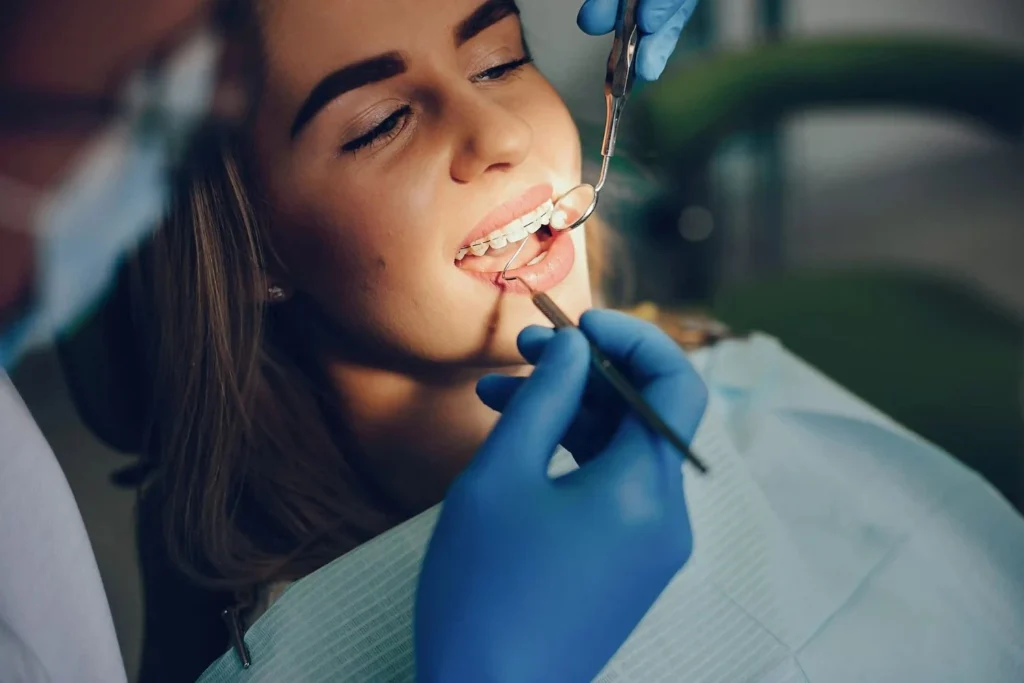
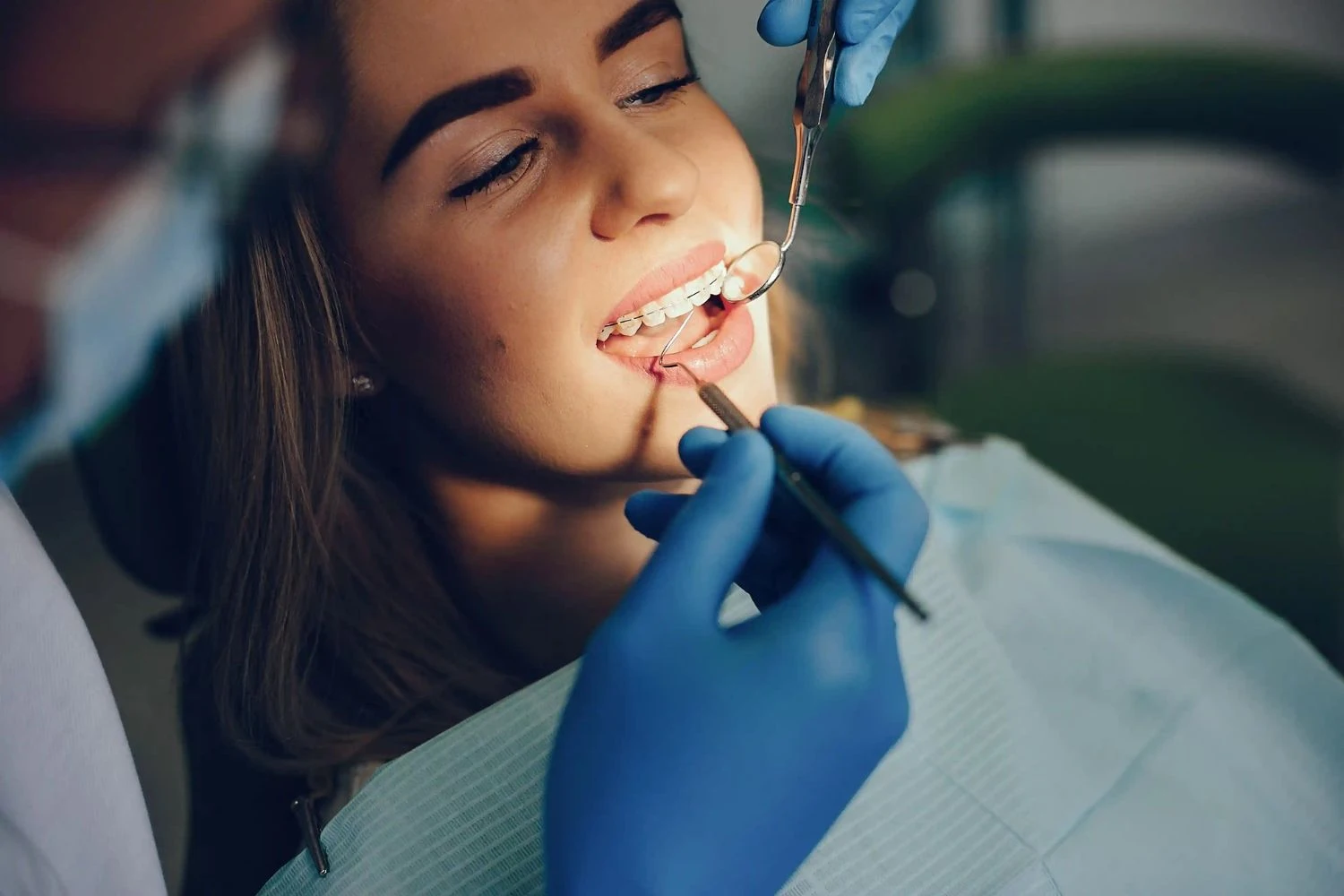
If you’re thinking of getting orthodontic treatment, one of the first thoughts that pops up is:Do braces hurt? This is a common concern, particularly for teens and adults who are starting treatment for the first time. Even though the idea of metal brackets and wires may seem intimidating at first, the reality is typically less daunting than what people think.
Modern orthodontic treatments are far more advanced and comfortable than they were in the past. Although minor soreness and discomfort at specific times may be expected, it is temporary and manageable. Understanding the process of treatment can make you feel more secure and prepared for getting braces.
Why do braces cause discomfort?
Braces move your teeth to the proper position by gently applying pressure on them. This action affects the ligaments and tissues around your teeth. This could result in some discomfort.
Here are the main reasons behind the discomfort:
● Tooth movement: Braces gradually shift teeth. This could result in temporary pressure.
● New appliances: Wires and brackets could feel different on your lips and cheeks initially.
● Adjustments: Tightening or switching wires in appointments may cause minor soreness for a few days
It is important to note that the discomfort is an indication that the braces are functioning.
What does the pain from braces feel like?
A lot of patients are worried that braces cause extreme discomfort. However, the sensation is typically described as soreness or pressure rather than sharp pain.
Most people experience:
● Mild soreness when biting or chewing
● Teeth may feel tender for a couple of days following adjustments
● A minor irritation on the inner cheeks or lips in the first week
For many patients visiting a dental clinic in Kochi, their orthodontists often describe to them that the feeling is similar to that feeling you get after a dental cleaning procedure or when you bite into something hard. It will fade when your mouth is adjusted.
When do braces hurt the most?
So when is discomfort most noticeable during treatment?
There are typically three phases when patients feel the most sensitivity:
| Stage | What happens | How long does it last |
|---|---|---|
| The first few days after getting braces | Teeth begin to adjust to pressure | 3–5 days |
| After tightening appointments | New wires exert fresh pressure | 1–3 days |
| When using elastics or new appliances | Additional force helps align the bite | A few days |
The best thing to remember is that these symptoms tend to be short-lived and generally light.
What helps reduce braces discomfort?
If you’re still wondering, do braces hurt throughout the entire treatment? The answer is no; most discomfort happens only during brief adjustment intervals. Following a few simple tips can help reduce the discomfort.
Helpful tips include:
● Eat soft foods like soups, yoghurt, mashed potatoes, or smoothies
● Use orthodontic wax to prevent irritation from brackets
● Rinse with warm salt water to soothe sore gums
● Take mild pain relief if recommended by your dentist
● Avoid hard or sticky foods during the first few days
.
Orthodontists from the best dental hospital in Calicut often recommend that patients follow these tips during the initial week of treatment to ensure a more comfortable adjustment.
Why are modern braces more comfortable than before?
Orthodontic technology has evolved significantly in recent times. Modern braces are designed in order to be smaller and lighter as well as more efficient than previous versions.
A few of the latest developments are:
● Wires with low-force that gradually move teeth
● Smaller brackets that reduce irritation
● Clear aligners as an alternative for certain cases
These improvements help make orthodontic treatment far more comfortable than people expect.
Conclusion
So, do braces hurt more than people say? The short answer: not really. Getting braces is a big step toward improving your smile and dental health. While it’s natural to think about the discomfort after getting them, the truth is that these issues are temporary and usually mild. With modern orthodontic techniques and proper care, most patients adjust quickly and continue their daily activities without difficulty. Understanding what to expect can make the process much easier, and get a confident and healthy smile as the final result.
Freequently Asked Questions
Most people feel slight pressure within a few hours after getting braces. The soreness usually peaks within the first 24 hours and reduces within a few days.
Eat soft foods such as yoghurt, soups, smoothies, scrambled eggs, oatmeal, and mashed vegetables during the first few days after adjustments.
Adjustments apply new pressure on the teeth, which helps move them into the correct position. This pressure may cause temporary soreness for a short time.
If the pain is severe, lasts more than a week, or if a bracket or wire is broken, you should contact your orthodontist for advice.