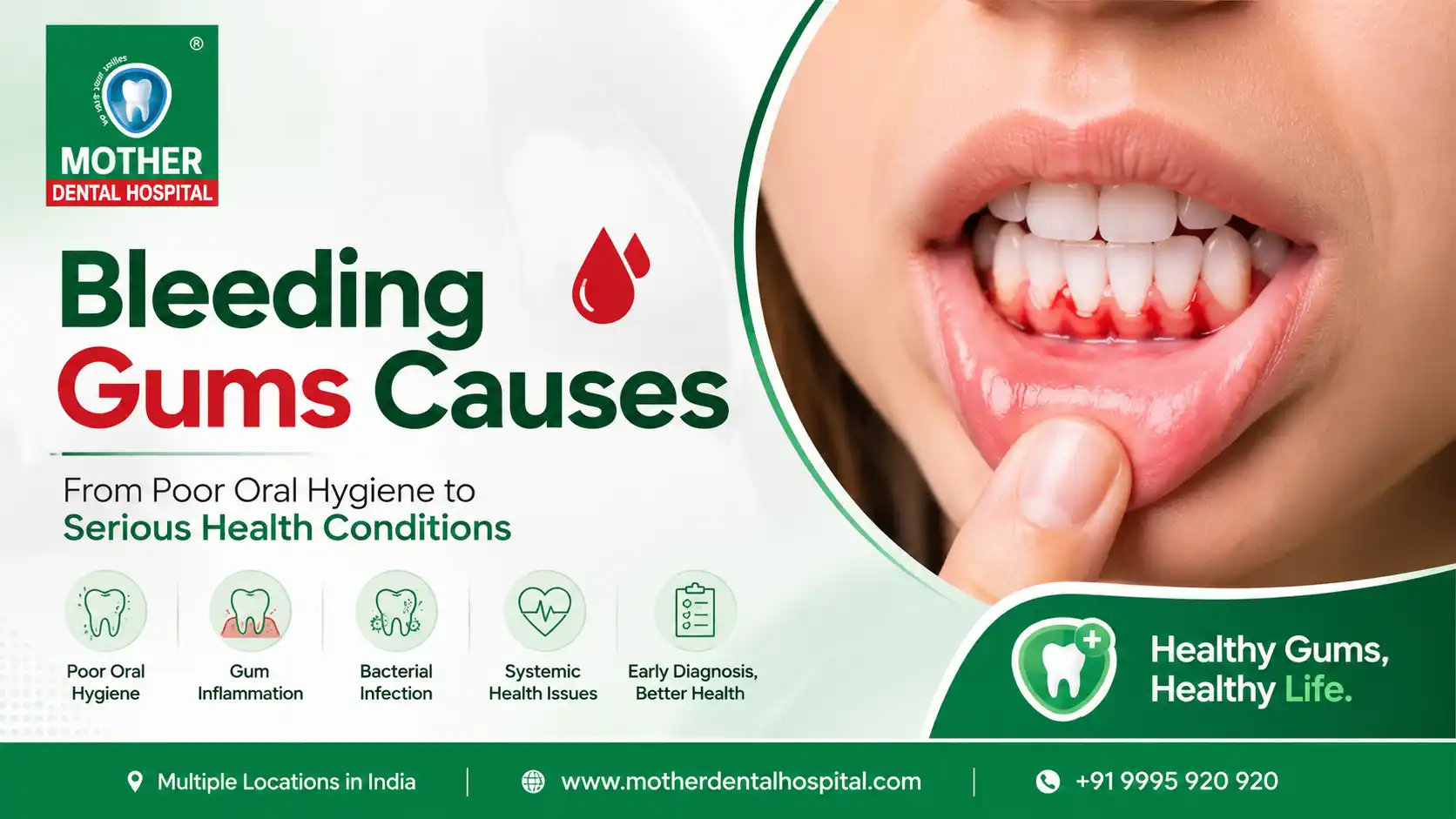
Bleeding Gums Causes: From Poor Oral Hygiene to Serious Health Conditions
Do you notice blood when flossing or brushing your teeth? Though many people don’t notice bleeding gums, they are often a early indication that something is not right in dental health. Recognizing Bleeding Gums causes can keep minor gum irritations from developing into more severe dental or medical problems. If the problem is due to plaque buildup, the hormonal effects, nutrition deficiencies or health issues that are underlying the early detection and prompt treatment is essential. This guide will explain the most common signs, causes, strategies, and the times you should seek dental attention.
Written By: Department of Periodontic Treatment
Reviewed By: Specialist Dental Practitioner
Last Updated: June 2026 | Read Time: 5 mins
Understanding the Common Bleeding Gums Causes
Gums that bleed are typically more of a sign instead of a sign of a disease. Healthy gums should not be bleeding when flossing or brushing.
The cause of bleeding gums is usually caused by plaque accumulation gum disease, gingivitis hygiene and vitamin deficiency hormone changes, certain medications or medical ailments. The early treatment of dental issues and proper oral hygiene can reduce the risk of gum disease as well as protect longer-term health and oral hygiene.
The most frequent causes are:
- The accumulation of tartar and plaque
- Gingivitis (early gum disease)
- The condition is known as periodontitis (advanced gum disease)
- Techniques for aggressive brushing
- Bad flossing habits
- Vitamin C as well as Vitamin K deficiency
- The systemic diseases of diabetes and other illnesses
- Blood-thinning drugs
Certain conditions may also affect bleeding gums in men and women in different ways due to hormones or lifestyle elements.
The gums of children can be bleeding. This due to inadequate brushing techniques, plaque buildup, or the eruption of permanent teeth.
Pregnant women might notice bleeding gums during pregnancy due to hormonal changes which cause gum sensitivity to increase.
Choosing the Right Dental Clinic in Calicut for Gum Care
Picking a reputable dental clinic in Calicut is crucial in determining the precise cause for gum bleeding.
During your visit The dentist will usually look at:
- Pocket depth and Gum Health
- Tar and plaque deposits
- Dental hygiene practices
- Medical background
- Nutritional deficiencies
- Digital X-rays are available if
Professional cleaning, paired with individualized dental hygiene tips often eliminates early gum inflammation prior to it advancing into a more severe periodontal condition.
Why Should You Never Ignore Bleeding Gums?
Many people believe bleeding while cleaning is normal. However healthy gums do not usually bleed.
In the absence of early warning signs, it can lead to:
- Advanced gum disease
- Bad breath that persists
- Gum recession
- Teeth loose
- Loss of bone around the teeth
- Costs for treatment have increased
Patients may also experience bleeding gums cause bad breath. This typically suggests bacterial buildup beneath the gumline, which requires professional treatment.
In certain instances, patients who experience headaches due to bleeding gums should undergo both a dental and medical examinations to rule out any underlying infection or other medical conditions.
What Are the Common Mistakes People Make?
Certain habits that we do every day can adversely affect the health of your gums.
Common errors can include:
- Doing not floss regularly
- Utilizing a toothbrush with a hard-bristled design
- Too aggressively brushing
- Inattention to bleeding that is early
- Do not delay the professional cleaning of your teeth
- It is assumed that mouthwash alone will suffice.
Another factor that is often overlooked is nutrition. The lack of nutrients that are caused by bleeding gums cause an imbalance in vitamins that can cause damage to gum tissue and delay healing.
Similar to hormonal fluctuations, hormonal changes can cause bleeding gums in women, especially during menopausal and pregnancy.
When Should You Visit a Dentist?
The occasional minor bleeding could improve by flossing and brushing more thoroughly however, chronic symptoms need an evaluation by a professional.
Visit your dentist if:
- The bleeding continues for over one week
- Gums can become painful or swollen.
- Teeth feel loose
- The bad breath continues to persist
- Pus is a gum-related condition that develops around the gums.
- You notice gum recession
Early seeking treatment at The Best Dental Clinic in Calicut will help prevent more extensive periodontal procedures later on.
If you suffer from cardiovascular disease, diabetes or take blood-thinning medications routine dental exams are even more crucial.
Expert Tips to Maintain Healthy Gums
Healthy gums require regular maintenance and a professional’s supervision.
Make sure you follow these expert suggestions:
- Cleanse twice a day with the soft bristled toothbrush.
- Every day, gently floss to clean plaque from your teeth.
- Schedule professional dental cleanings every six months.
- A balanced diet is that is rich in minerals and vitamins.
- Drink plenty of water to help support good salivary production.
- Do not smoke or consume tobacco products that can increase the risk of developing gum disease.
Patients seeking prevention-based gum health should see an expert Best Dentist in Calicut for specific guidance on oral hygiene and early detection.
Conclusion
Knowing the causes of Bleeding Gums Causes helps you to spot warning signs early before they become serious gum disease, or negatively impact general health. Although dental hygiene issues are one of the leading causes, nutritional deficiencies hormonal changes, medication, and other systemic diseases can also contribute. Regular dental exams along with professional cleaning and regular home-care are the most effective ways to ensure your gums are protected and keep your smile healthy. Should your gums begin bleeding, don’t put off getting a professional opinion, since the early treatment will lead to healthier gums as well as better long-term oral health.
Frequently Asked Questions
They typically leak due to gum disease, plaque accumulation or poor brushing technique.
Pregnancy, vitamin deficiencies medication, diabetes and blood disorders may be a contributing factor.
See a dentist if the bleeding persists for more than a week or is associated with swelling or pain.
Maintain a healthy oral hygiene routine, floss regularly take a balanced and healthy diet and make sure you schedule regular dental check-ups.
Yes, bleeding gums that persist can indicate gum disease that is advanced or medical conditions underlying that need professional examination.